How to Spot and Avoid Moving Scams: Essential Consumer Protection Guide

The vast majority of moving companies in the United States operate honestly and provide reliable, professional services. However, a small minority of unscrupulous operators, commonly known as rogue movers, prey on vulnerable consumers during high-stress relocations.
Rogue moving tactics can range from deceptive low-ball quotes that double on moving day to "hostage load" schemes, where rogue companies refuse to unload household belongings until thousands of dollars in cash ransoms are paid.
Protecting yourself requires awareness and verification. In this federal consumer protection guide, we reveal the top moving scam red flags and show you step-by-step how to verify moving licenses using official government databases.
Top Red Flags of a Rogue Mover
Legitimate moving companies adhere to strict ethical and legal guidelines. If you notice any of the following warning signs during your quote process, proceed with extreme caution:
1. Unusually Low Estimates ("Too Good to Be True")
Rogue operators submit quotes that undercut reputable competitors by 40% to 50%. Once your goods are loaded onto their truck, they claim the shipment weighed dramatically more than anticipated and demand immediate cash payments before delivering your belongings.
2. Demanding Large Upfront Cash Deposits
Reputable moving carriers may require a modest reservation deposit (typically $100 to $500 or 10% to 20%), usually payable by credit card. If a company demands large upfront cash deposits or wire transfers (Zelle, CashApp, or Venmo), it is a major warning sign.
3. Sights Unseen Quotes (No Video or In-Home Survey)
Federal law dictates that interstate movers must perform either an in-person physical survey or a thorough virtual video walkthrough for households located within 50 miles of their facility. A company that quotes an interstate move in 30 seconds without an itemized inventory list is violating consumer protection standards.
4. Generic Phone Greetings and Unmarked Trucks
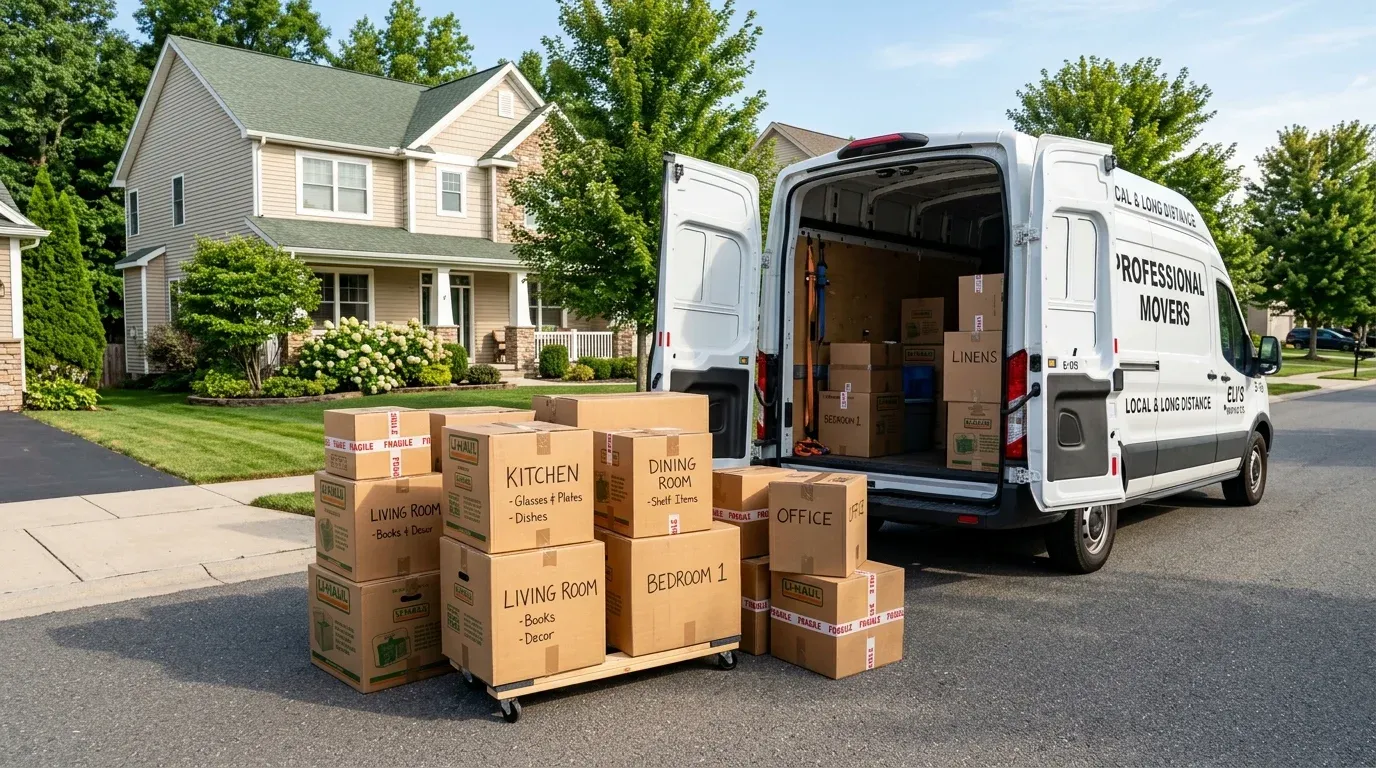
When you call, does the representative answer with "Moving Company" rather than a specific business name? On moving day, does the crew arrive in an unmarked rental van without uniforms or company logos? Professional movers proudly brand their fleet and customer communications.
How to Verify Moving Licenses with the FMCSA
For any interstate or cross-country move, federal regulations mandate that moving carriers and brokers hold an active USDOT number and an MC (Motor Carrier) operating license issued by the Federal Motor Carrier Safety Administration (FMCSA).
Follow these steps to verify any company:
- Ask for License Numbers: Request the company's 7 or 8-digit USDOT and MC numbers. Legitimate companies display these prominently on their websites and paperwork.
- Access the FMCSA Mover Search Database: Visit the official FMCSA consumer portal at https://www.fmcsa.dot.gov/protect-your-move.
- Verify Operating Status: Ensure the company's operating authority is listed as AUTHORIZED FOR HHG (Household Goods). A company with revoked authority or registered only for general freight cannot legally transport household items across state lines.
- Check Insurance and Safety Records: Review the company's active liability insurance filings, vehicle maintenance audits, and complaint history logged under the FMCSA National Consumer Complaint Database.
Essential Moving Rights: Know Before You Sign
Federal law entitles consumers to specific protections when booking an interstate move:
Your Rights and Responsibilities When You Move
Interstate movers are legally required to provide you with a copy of the federal booklet titled "Your Rights and Responsibilities When You Move" before executing any binding contract.
The 110% Rule for Non-Binding Estimates
Under federal regulations, if you hold a non-binding estimate, the carrier cannot demand more than 110% of the original quoted price at delivery. Any remaining balance must be billed with at least a 30-day deferral window.
Never Sign Blank Documents
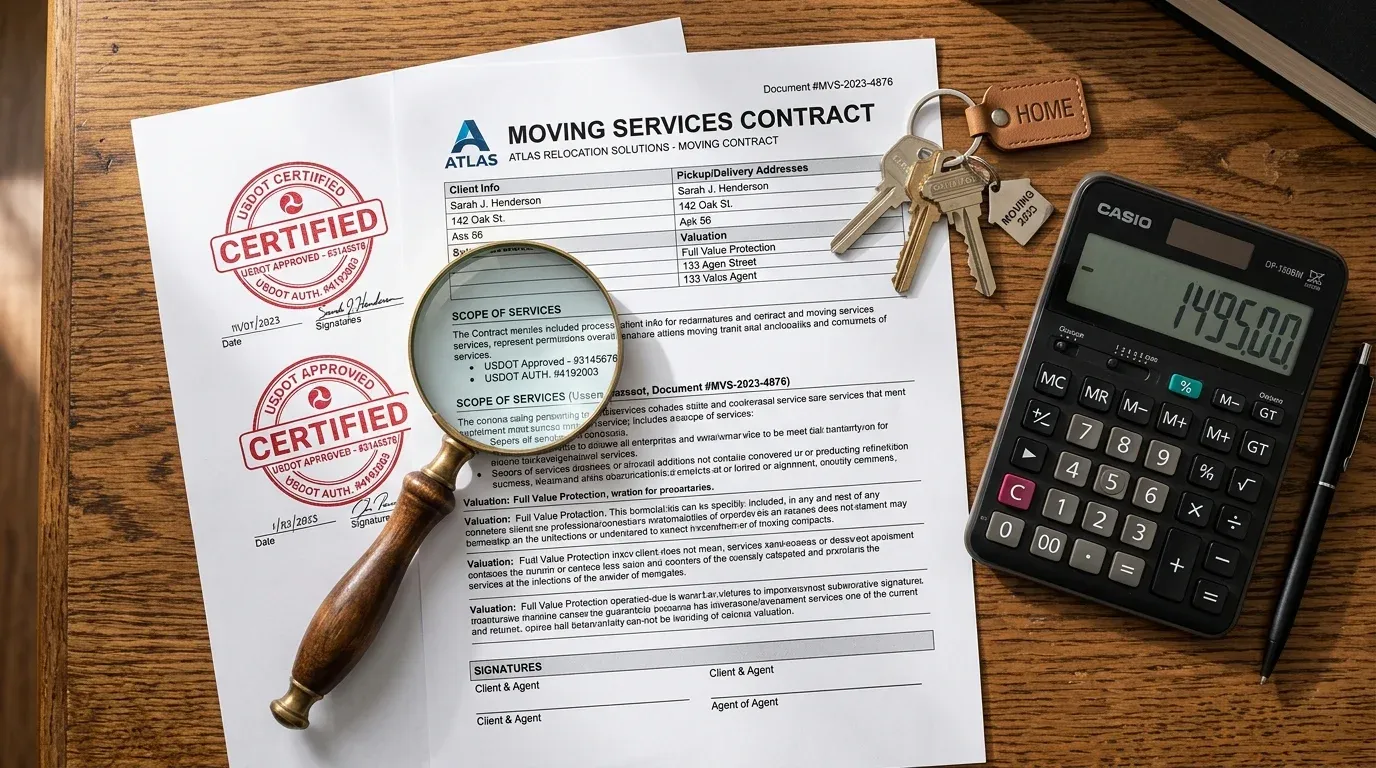
Never sign blank contracts, estimates, or Bills of Lading. Ensure every line item, pricing clause, delivery timeframe, and valuation coverage election is filled in completely before providing your signature.
What to Do If You Encounter a Moving Scam
If a rogue mover attempts to withhold your possessions or dramatically alters your contract:
- Contact Local Law Enforcement: Inform the police that your property is being illegally detained under false pretenses.
- File a Federal Complaint: Submit an official report through the FMCSA National Consumer Complaint Database online or by calling 1-888-DOT-SAFT (1-888-368-7238).
- Notify the State Attorney General: File a complaint with the consumer protection division of your state's Attorney General office and the Better Business Bureau (BBB).