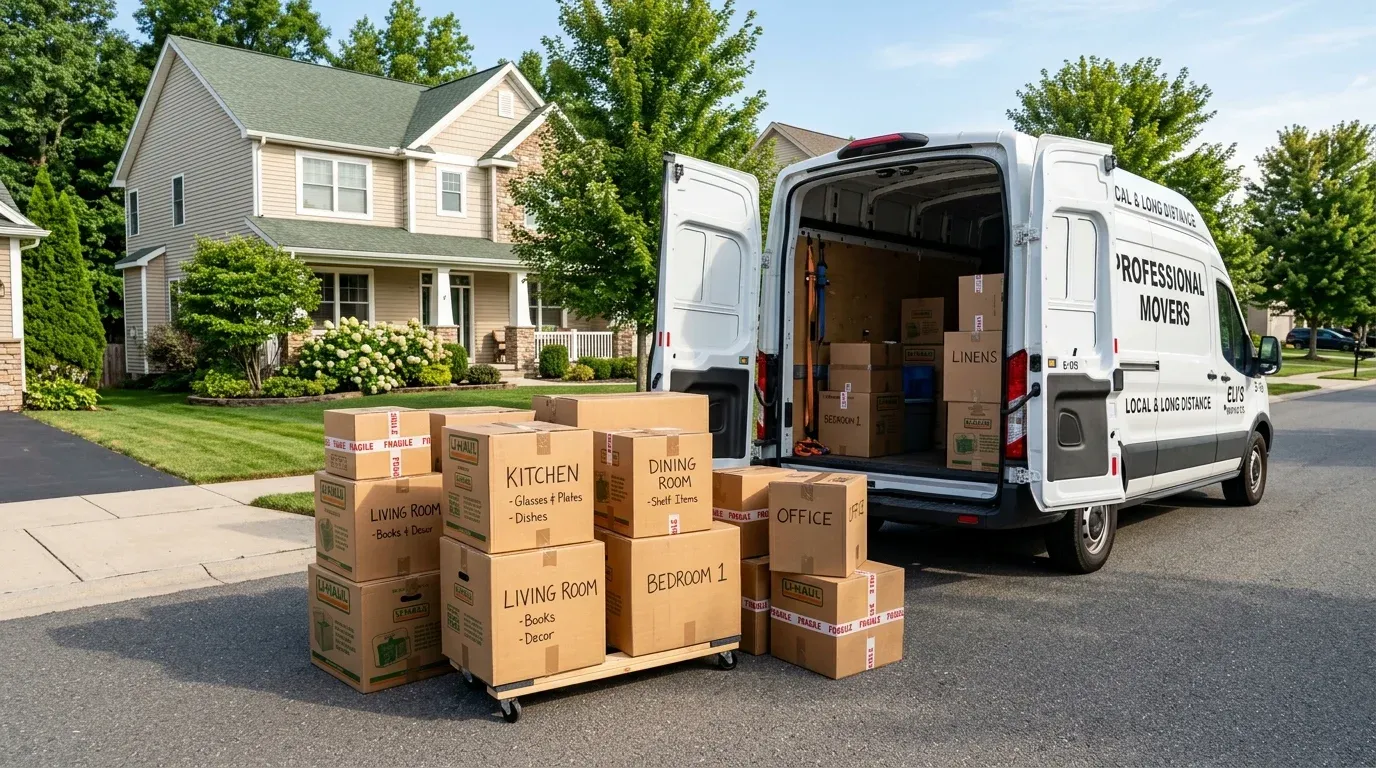
DIY Moving vs. Hiring Professional Movers: Which Is Right for You?

When it comes to orchestrating a relocation, one fundamental dilemma stands above all others: Should you rent a truck and move yourself, or should you hire a professional moving company?
At first glance, a do-it-yourself (DIY) move often looks substantially cheaper. Rental truck companies frequently advertise low headline rates like "$29.95 per day," leading many homeowners to assume DIY is an easy way to save thousands of dollars. However, the reality of DIY moving involves a web of hidden expenses, physical exhaustion, and potential property damage that many consumers fail to account for.
In this side-by-side analysis, we compare costs, labor demands, safety considerations, and peace of mind to help you make the best decision for your upcoming move.
The Hidden Costs of a DIY Move
While hiring professional movers comes with a single consolidated price tag, renting a truck accumulates multiple separate costs that quickly multiply:
1. Mileage and Fuel Surcharges
Rental truck companies charge per-mile fees (often $0.79 to $1.29 per mile for local rentals), while one-way cross-country rentals include mileage allowances but command high base rates. Furthermore, large commercial moving trucks average only 6 to 10 miles per gallon, meaning gas expenses for a 1,500-mile transit can easily surpass $700.
2. Equipment Rentals and Packing Supplies
A rental truck is an empty metal box. You must separately rent or buy:
- Moving blankets and furniture pads ($15 to $25 per dozen)
- Appliance dollies and hand trucks ($15 to $30 per day)
- Ratchet straps and cargo tie-downs
- Extra insurance coverage ($30 to $60 per day for collision and cargo damage waivers)
3. Highway Tolls, Lodging, and Meals
Long-distance DIY moves require paying heavy-truck tolls on turnpikes, parking fees at hotels, and dining out for multiple days along interstate highways.
| Moving Factor | DIY Truck Rental | Professional Movers |
| Upfront Pricing | Low base rate ($150 - $2,500) | Consolidated quote ($1,800 - $7,500) |
| Hidden Expenses | Gas, mileage fees, equipment, tolls | Minimal with binding estimates |
| Physical Labor | 100% on you, family, and friends | Zero heavy lifting required |
| Liability & Valuation | Personal auto or rental waiver | Mandatory carrier liability & FVP |
| Time & Stress | High (days of loading and driving) | Low (turnkey execution) |
Physical Demands & Safety Considerations
The most overlooked element of moving is the sheer physical strain. Moving heavy couches, solid oak dressers, and large appliances down narrow staircases poses real physical risks:
- Risk of Injury: Back sprains, pulled muscles, and dropped heavy items are frequent occurrences during DIY moves.
- Property Damage: Inexperienced handling often leads to gouged drywall, scratched hardwood floors, chipped door frames, and broken furniture legs.
- Driving Stress: Operating a 26-foot commercial vehicle through high-wind highway corridors, steep mountain grades, and congested city traffic can be nerve-wracking for inexperienced drivers.
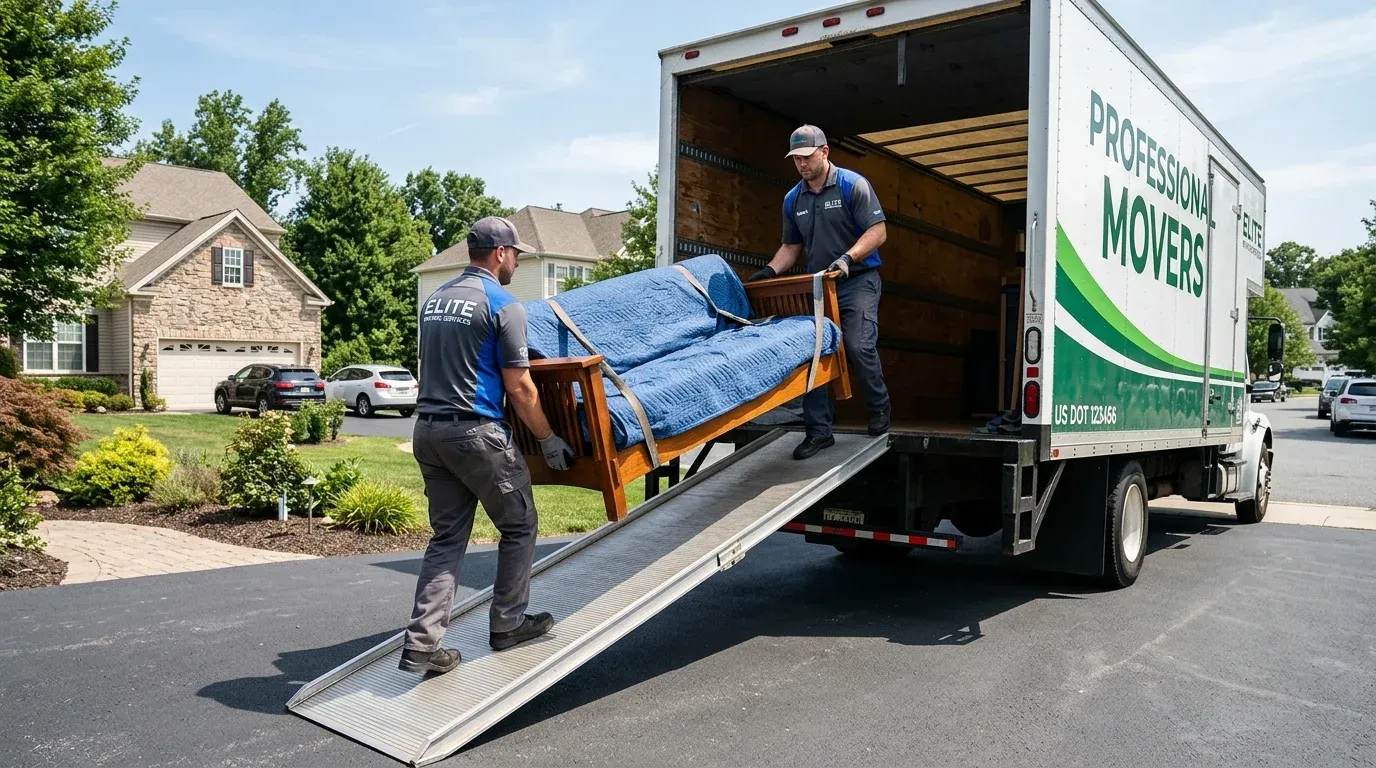
In contrast, professional moving crews undergo rigorous training on proper lifting techniques, ramp safety, furniture blanket wrapping, and cargo weight distribution inside the trailer.
When Does DIY Moving Make Sense?
A DIY move is generally the right choice if:
- You are moving a studio or small 1-bedroom apartment locally (under 25 miles).
- You have few heavy furniture pieces and own minimal fragile items.
- You have reliable, capable friends or family members who enthusiastically volunteer to help.
- You are on a strict, limited budget where every dollar counts.
When Should You Hire Professional Movers?
Hiring a full-service professional mover is the superior choice if:
- You are relocating across state lines or moving more than 200 miles.
- You own a 2+ bedroom home with heavy furniture, large appliances, or valuable electronics.
- You have busy career commitments or small children requiring your full attention.
- You value your physical safety, convenience, and time above all else.
The Hybrid Alternative: Moving Containers
If you want to save money on labor without having to drive a massive rental truck yourself, consider a hybrid moving container service (such as PODS or U-Pack). The company delivers a weatherproof container to your driveway; you load your belongings at your own pace, and a professional truck driver transports the container directly to your new home.